
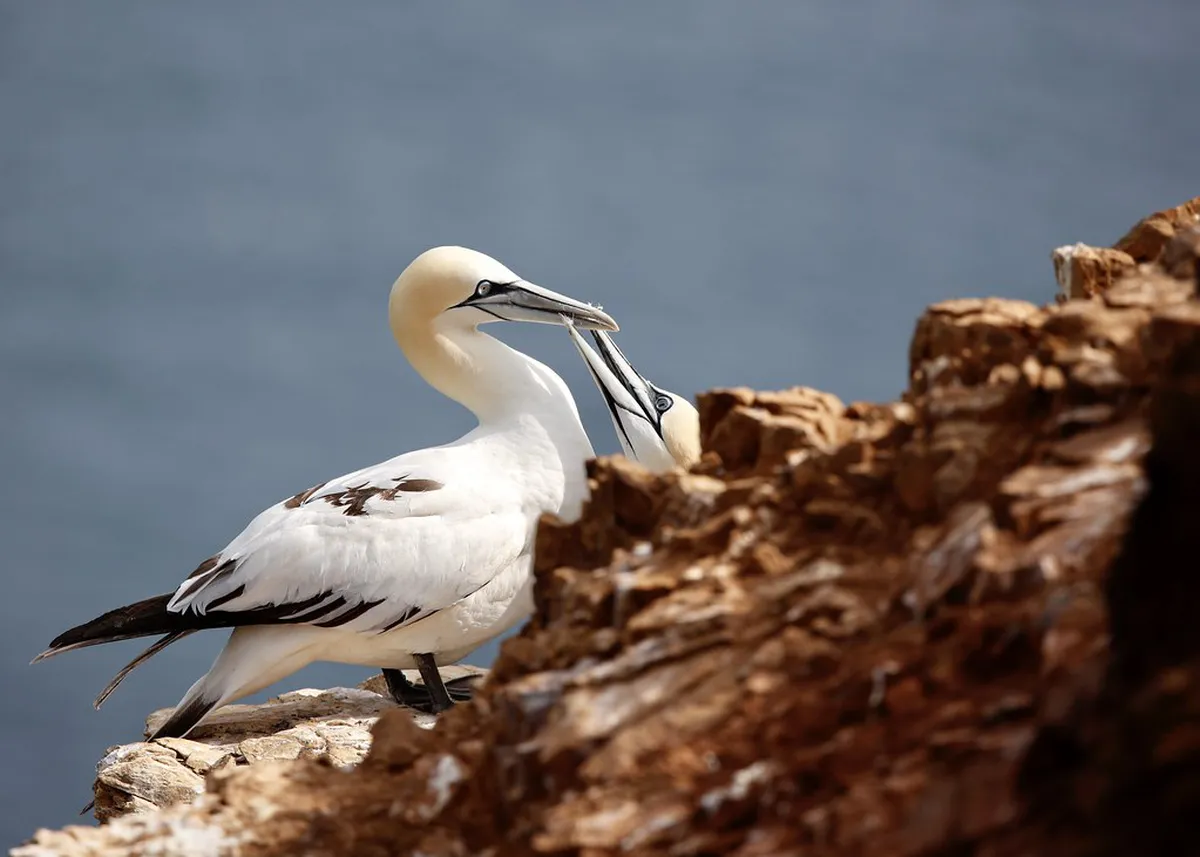
10 Top Bird Watching Spots in Lhasa
Lhasa is a premier destination for birding. The city offers diverse habitats for many species. You can find wetlands and high mountains here. It is a vital stop for migratory birds.
Bird watchers from around the world visit Tibet. The high altitude creates a unique ecosystem. You will see birds that live nowhere else. Many free nature spots in Lhasa offer great views.
Planning a trip requires some local knowledge. You should know the best seasons and locations. This guide covers the top bird watching spots in Lhasa. Prepare for an unforgettable wildlife experience in 2026.
Bird Watching in the Roof of the World
For current hours, prices, and announcements, start with Lhasa Municipal People's Government.
Learn more at The Potala Palace Official Website.
Lhasa is known as the sunlight city. It sits in a high river valley. The surrounding mountains protect the local wildlife. This environment is perfect for various bird species.The Lhasa River provides a constant water source. Wetlands along the banks attract thousands of birds. You can see bar-headed geese and ruddy shelducks. These birds are common sights during the winter.
High altitude birding presents some unique challenges. The air is thin and the sun is strong. You must acclimatize before heading to remote spots. Always carry water and wear sun protection.
Local culture respects all living beings deeply. This tradition helps protect the birds in Lhasa. You will find that birds are quite approachable. Please maintain a respectful distance at all times.
Many of these locations are easy to reach. You can use public transport or local taxis. Some spots are even within walking distance. Check our main travel guide for more details.
10 Top Bird Watching Spots in Lhasa
This list includes the most famous birding sites. Each location offers a different set of species. You can explore wetlands, parks, and monastery grounds. Most spots are accessible for all fitness levels.
Some locations are right in the city center. Others require a short drive into the countryside. You should plan your route based on your time. Many of these free nature parks in Lhasa are beautiful.
Winter is the best time for these spots. Migratory birds arrive from the northern plains then. You will see the highest variety of species. Early mornings offer the best light for photography.
Keep your camera ready for rare sightings. You might spot a black-necked crane nearby. These birds are symbols of luck in Tibet. Always follow local rules regarding wildlife photography.
- Lalu Wetland National Nature Reserve
- Type: Nature reserve
- Why go: Rare black-necked cranes
- Best for: Endangered bird species
- Where: Western Lhasa city
- Time: Two to three hours
- Cost: Usually free entry
- Getting there: Short taxi ride
- Tip: Bring high quality binoculars
- Lhasa River (Kyi Chu) Banks
- Type: River valley
- Why go: Bar-headed geese sightings
- Best for: Winter migratory birds
- Where: Southern city edge
- Time: Three to four hours
- Cost: Free public access
- Getting there: Local city bus
- Tip: Walk along the embankments
- Zongjiao Lukang Park
- Type: Public park
- Why go: Ruddy shelducks in ponds
- Best for: Easy urban birding
- Where: Behind Potala Palace
- Time: One to two hours
- Cost: Free entrance
- Getting there: Walk from center
- Tip: Visit during early morning
- Norbulingka Summer Palace Gardens
- Type: Historical garden
- Why go: Tibetan blackbird sightings
- Best for: Resident garden birds
- Where: Western Lhasa
- Time: Half day trip
- Cost: Standard entry fee
- Getting there: Bus or taxi
- Tip: Explore the quiet corners
- Chakpori Hill Viewpoints
- Type: Rocky hill
- Why go: High altitude raptors
- Best for: Seeing large birds
- Where: Near Potala Palace
- Time: One hour visit
- Cost: Free to climb
- Getting there: Walking distance
- Tip: Watch for soaring eagles
- Drepung Monastery Forested Areas
- Type: Monastery grounds
- Why go: Himalayan griffon vultures
- Best for: Mountain bird species
- Where: Gambo Utse mountain
- Time: Three hours
- Cost: Monastery entry fee
- Getting there: Bus number twenty-four
- Tip: Hike the kora path
- Sera Monastery Hillside Paths
- Type: Mountain trail
- Why go: Red-billed chough sightings
- Best for: High elevation birds
- Where: Northern Lhasa outskirts
- Time: Two hour hike
- Cost: Free trail access
- Getting there: Local taxi
- Tip: Look near the rocks
- Lhunzhub County Wetlands
- Type: Rural wetland
- Why go: Massive crane populations
- Best for: Serious bird photographers
- Where: North of Lhasa
- Time: Full day trip
- Cost: Transport costs only
- Getting there: Private car hire
- Tip: Go in mid-winter
- Dagzê District River Valley
- Type: Rural riverbank
- Why go: Diverse waterfowl species
- Best for: Quiet nature walks
- Where: East of Lhasa
- Time: Five hours
- Cost: Free nature spot
- Getting there: Local commuter bus
- Tip: Bring a spotting scope
- Pangduo Reservoir Area
- Type: Large reservoir
- Why go: Unique alpine gulls
- Best for: Water bird variety
- Where: Remote Lhasa region
- Time: Full day excursion
- Cost: Permit might apply
- Getting there: Organized tour
- Tip: Dress for extreme wind
Best Seasons for Birding in Tibet
Winter is the most popular birding season. It lasts from November until early March. Thousands of migratory birds arrive during this time. The wetlands become very active and lively.
Spring is also a good time for birding. You can see birds preparing for their journey. The weather starts to get much warmer then. Many local species begin their nesting season too.
Summer offers sightings of resident mountain birds. You can explore higher elevations during these months. The greenery makes for a stunning birding backdrop. However, migratory species will be mostly absent.
Autumn brings the first wave of migratory arrivals. You can see birds stopping for a rest. The clear blue skies are perfect for spotting. Check the best time for Chakpori Hill sunrise views.
Essential Tips for High Altitude Birding
Acclimatization is your top priority in Lhasa. Spend your first day resting and drinking water. Do not rush to birding spots immediately. Let your body adjust to the thin air.
Wear warm and windproof clothing for outdoor trips. Even sunny days can feel very cold here. Good hiking boots are essential for uneven terrain. Carry a small backpack with your birding gear.
Binoculars are the most important tool for birding. A eight by forty-two pair is a great choice. It provides a wide field of view for spotting. A spotting scope is helpful for distant wetlands.
Respect the local Tibetan culture and traditions. Many birding spots are near sacred religious sites. Keep your voice low and avoid loud noises. Use our guide to Lalu Wetlands for logistics.
Local Conservation and Bird Protection
⭐ Recommendation: Don't miss out on amazing Lhasa tours - book now!
Lhasa has made great efforts in bird conservation. The Lalu Wetland is a prime success story. It is the largest urban wetland in Asia. This area provides a safe haven for birds.
Local laws strictly protect endangered bird species. Hunting or disturbing birds is strictly forbidden here. These rules ensure that bird populations remain healthy. Visitors must follow all posted signs and paths.
You can support conservation by being a responsible tourist. Stay on the designated trails in nature reserves. Do not leave any trash behind in parks. Your respect helps maintain these fragile ecosystems.
The accessible nature spots along Lhasa River are monitored. Conservationists track bird numbers throughout the year. This data helps in managing the local environment. It ensures a future for Tibetan wildlife.
Education plays a big role in local protection. Schools teach children about the importance of birds. This creates a culture of care for nature. Learn more via the Lhasa River walking route information.
Frequently Asked Questions
When is the best time for birding in Lhasa?
The best time is from late October to March. This is when migratory birds arrive from the north. You can see many species in the wetlands during this cold period. It is the peak season for rare black-necked cranes.
Do I need a permit for bird watching in Lhasa?
You need a Tibet Travel Permit to enter Lhasa. Most birding spots in the city are open. Some remote areas might require extra local permits. Always check with your travel agency before going to far locations. This ensures a smooth trip.
Is bird watching in Lhasa an expensive activity?
Many birding spots in Lhasa are free to visit. You only need to pay for local transport. Some parks might have a small entrance fee. Overall, it is an affordable activity for nature lovers visiting Tibet in 2026.
Lhasa is a truly magical place for birding. The combination of culture and nature is unique. You will see amazing birds in stunning landscapes. It is an experience you will always remember.
Start planning your birding adventure in Lhasa today. Use this guide to find the best spots. Respect the wildlife and the local culture always. Enjoy the incredible beauty of the Tibetan plateau.