
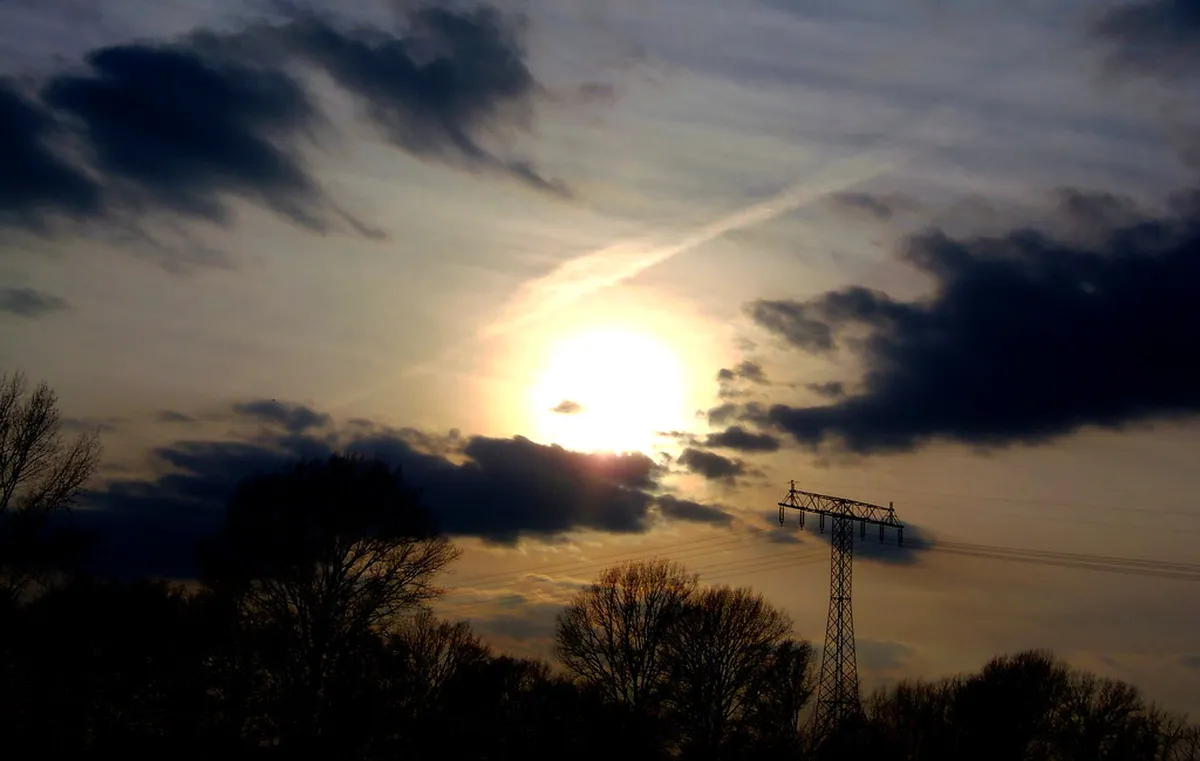
The Best Time for Sunrise at Cukul in Pangalengan
The best time for sunrise at Cukul is during the dry season from June to September. This period offers the clearest skies and the most reliable golden light for visitors. You will enjoy breathtaking views of the tea plantations under a soft morning glow. Planning your visit around these months ensures the most memorable experience in Bandung.
Cukul is located in the beautiful Pangalengan highlands south of the city center. It has become a famous spot for nature lovers and professional photographers alike. The rolling hills and misty valleys create a magical atmosphere at dawn every day. You can find more information about the area at our main travel site.
Weather conditions play a massive role in your overall experience at this viewpoint. Highland climates can be unpredictable even during the warmer months of the year. Knowing when to go will help you avoid heavy rain and thick fog clouds. This guide breaks down everything you need to know for a perfect sunrise trip.
Understanding Weather Patterns in Pangalengan
For current hours, prices, and announcements, start with Bandung City Government.
For the most up-to-date details, check Bandung Institute of Technology (ITB) before you go.
The climate in Pangalengan is much cooler than the central city of Bandung. It features a tropical highland climate with distinct wet and dry seasonal patterns. The dry season typically begins in May and lasts until late September each year. During this time, the chances of seeing a clear sunrise are very high.Rainy season usually starts in October and continues through the month of April. Morning showers are less common than afternoon storms, but clouds still linger early. Heavy mist can often block the sun entirely during these wetter months of travel. Many travelers prefer the lush green look that the rain brings to the fields.
Temperatures at the sunrise point can drop to ten degrees Celsius at night. The air is crisp and thin, making the morning light appear very sharp. Wind speeds can increase on the ridges, adding a significant chill to the air. Understanding these shifts helps you prepare for the early morning hike to the top.
Humidity levels stay high throughout the year because of the surrounding tea plants. This humidity often creates the famous rolling mist that flows through the valleys. The mist is most common right after a light rain on a cool night. Finding free nature spots in Bandung is easier with local weather knowledge.
Local farmers say the best light happens just after the coldest nights in July. The sky turns a deep purple before shifting to orange and bright gold. You should check local weather apps the night before you plan to depart. Clear skies in the evening usually signal a great sunrise for the next morning.
Cukul Season Comparison
Comparing the seasons helps you decide which month fits your specific travel style. Each quarter of the year offers a different visual aesthetic for the tea plantation. The dry months are best for clarity while the wet months offer deep greenery. Crowd sizes also fluctuate based on local school holidays and long weekend breaks.
June through August is the peak season for local tourism in the Bandung area. You will find many other visitors sharing the viewpoint during these popular months. Prices for local transport and entry might be slightly higher during these busy times. However, the guaranteed views make the extra cost and crowds worth the effort.
The transition months of May and September are often considered the shoulder season. These months provide a great balance between good weather and fewer fellow tourists. You can often enjoy more peaceful moments as the sun crests over the horizon. It is the ideal time for those who want quiet contemplation in nature.
| Season | Weather | Crowds | Prices | Events | Best for |
|---|---|---|---|---|---|
| Jun - Aug | Dry/Clear | High | Peak | Tea Harvest | Photography |
| Sep - Nov | Misty/Rain | Medium | Mid | Local Fairs | Moody Views |
| Dec - Feb | Wet/Cloudy | Low | Low | New Year | Budget Trips |
| Mar - May | Lush/Fresh | Medium | Mid | Eid Al-Fitr | Greenery |
Pick X If
Choosing the right time depends on what you want to see and do. Different travelers have different priorities when visiting a scenic spot like Cukul. Some people want the perfect photo while others want to save some money. Use these simple rules to help you pick the best month for your trip.
Photographers should focus on the middle of the dry season for the best results. The light is consistent and the horizon is usually free of heavy cloud cover. You will have more time to set up your tripod before the sun appears. This is also the best time to capture the milky way at night.
Budget travelers might prefer visiting during the rainy season to find better deals. Local guesthouses often lower their rates when there are fewer tourists in town. You can find great one day free nature walk Bandung options nearby. Just be sure to bring a good raincoat and waterproof shoes for the trails.
- Pick the dry season if
- You want clear skies and sun
- Pick the rainy season if
- You want fog and low prices
- Pick a weekday if
- You want to avoid large crowds
- Pick July or August if
- You want the best photography light
What to Pack for Cukul
Preparation is the key to enjoying a cold morning in the Indonesian highlands. Many visitors underestimate how chilly it can get before the sun comes up. Packing the right gear will keep you comfortable while you wait for dawn. It is better to have too many layers than to be shivering outside.
Start with a warm base layer that can wick away any sweat from hiking. Add a thick fleece or a down jacket to trap your body heat effectively. A windproof outer shell is also helpful if the breeze picks up on top. Do not forget a beanie or a hat to protect your ears from cold.
Footwear should be sturdy and have good grip for the dirt plantation paths. The ground can be slippery with dew even if it has not rained recently. Comfortable sneakers or hiking boots are much better than sandals for this trip. You might also want to bring a small flashlight for the dark walk.
- Insulated jacket
- To stay warm in cold air
- Hiking boots
- For grip on slippery dirt paths
- Hot thermos
- Filled with tea or coffee
- Camera tripod
- For steady low light photos
- Power bank
- Batteries die faster in the cold
Best Months for Photography and Mist
🎯 Insider Tip: Discover the best Bandung experiences with Viator Tours!
The best time for sunrise at Cukul photography is usually July and August. During these months, the air is dry and the visibility is at its peak. You can see for miles across the tea plantations and distant mountain peaks. The contrast between the dark green leaves and orange sky is very striking.
If you want the famous rolling mist, aim for the end of the season. September often provides the right mix of cool nights and morning moisture. The mist settles in the valleys and looks like a soft white blanket. It creates a sense of depth that is perfect for wide-angle landscape shots.
Arrive at least forty-five minutes before the official sunrise time for blue hour. The pre-dawn light offers soft colors that are very pleasing to the eye. You will also have time to find a unique composition away from others. Check free forest trails in Lembang for similar misty morning photography spots.
Use a circular polarizer to help manage the reflections on the waxy tea leaves. This tool will also make the blue sky appear deeper and more saturated. Keep your camera gear in a sealed bag to prevent condensation from forming. Wipe your lens frequently if the mist is particularly heavy that morning.
Finding the Best Viewpoints in Pangalengan
Cukul is the most famous spot, but there are other viewpoints to explore. The main sunrise point has a dedicated deck for visitors to stand on. It provides an unobstructed view of the sun rising over the eastern hills. However, it can get very crowded on Saturdays and Sunday mornings.
You can walk further into the tea fields to find more private areas. Many small trails wind through the plantation and offer different perspectives of the hills. Always stay on the paths to avoid damaging the delicate tea plants nearby. Respect the local workers who may be starting their day in the fields.
If you enjoy heights, look for the higher ridges located behind the main gate. These spots require a bit more effort to reach but offer 360-degree views. You can see the Situ Cileunca lake shimmering in the distance from there. Learn how to find free viewpoints in Bandung for more budget-friendly ideas.
Other nearby nature spots include the best free city parks in Bandung for a different vibe. You might also enjoy the Babakan Siliwangi forest walk when you return to the city. Combining these locations makes for a complete nature-focused itinerary in West Java. Each spot offers a unique look at the diverse landscape of the region.
Frequently Asked Questions
What is the best time for sunrise at Cukul to avoid rain?
The best time to avoid rain is from June to September. These months are the peak of the dry season in Bandung. You will have the highest chance of clear skies and dry trails.
How cold does it get at Cukul Sunrise Point?
Temperatures often drop to 10-15 degrees Celsius before dawn. The wind can make it feel even colder on the ridges. Always wear layers and a warm jacket for the best experience.
Is Cukul Sunrise Point open every day?
Yes, the viewpoint is generally open daily for visitors. It is best to arrive by 5:00 AM to get a good spot. Local staff are usually there to collect a small entry fee.
The best time for sunrise at Cukul is undoubtedly the dry season months. Visiting between June and September guarantees the most spectacular views and weather. You will be rewarded with golden light and a peaceful start to your day. The Pangalengan highlands offer a refreshing escape from the busy city life nearby.
Remember to pack warm clothes and arrive early to secure your viewing spot. Whether you are a photographer or a casual traveler, the sunrise is worth it. Respect the local environment and enjoy the natural beauty of the tea plantations. Plan your trip today to see one of the best sunrises in Indonesia.