
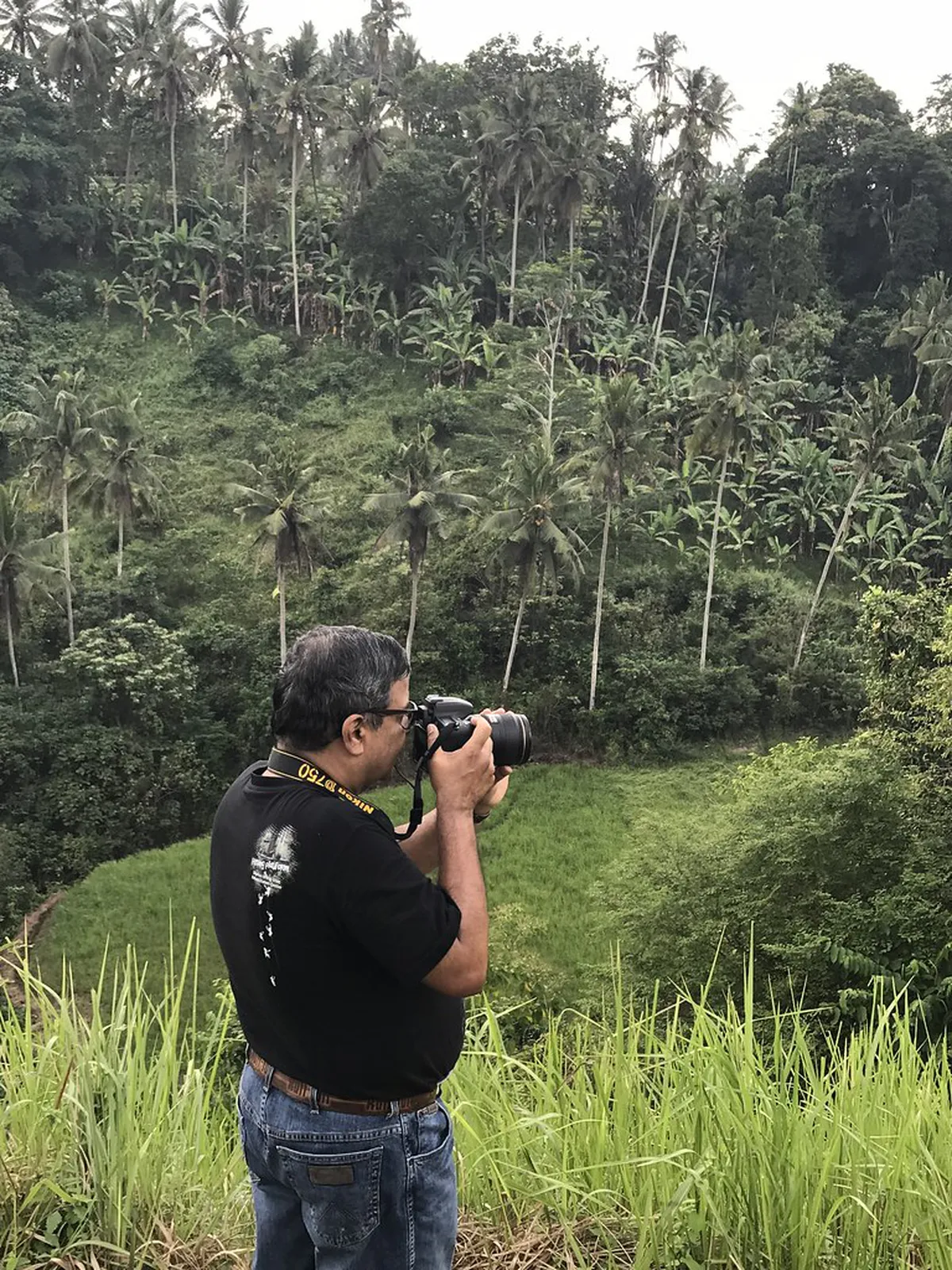
The Ultimate Guide to the Best Time for Ubud Rice Fields
The best time for Ubud rice fields is during the dry season from April to September. These months offer bright green landscapes and clear skies for photography. Visiting during the shoulder months of April and May provides the most vibrant emerald hues. You will also avoid the heavy rains that often occur during the winter months.
Planning your trip around the harvest cycles ensures you see the terraces at their peak beauty. Many travelers prefer the early morning hours to beat the heat and the crowds. You can find many free nature spots in Ubud that showcase these stunning views. Understanding the local climate helps you make the most of your Balinese adventure.
The rice growth cycle typically lasts about three months from planting to harvest. This means the appearance of the fields changes significantly throughout the year. Whether you want lush green or golden yellow, timing is everything for your visit. Prepare for high humidity and tropical sun regardless of the month you choose.
Best Time for Ubud Rice Fields by Month
For practical details and last-minute changes, use Museum Puri Lukisan.
Learn more at Sacred Monkey Forest Sanctuary.
April marks the start of the dry season and is often considered the best month. The rain has stopped but the fields remain incredibly lush and vibrant green. This period offers a perfect balance of pleasant weather and stunning natural scenery. It is a great time for long walks through the rural outskirts of town.July and August are the peak tourist months with the most consistent sunny weather. While the skies are clear, the popular terraces can become quite crowded with visitors. Prices for accommodation often rise during this high season in Bali. Early morning visits are essential to enjoy the peace of the landscape.
October and November bring the transition into the rainy season with occasional afternoon showers. The fields may be in the harvest stage, showing beautiful golden and brown tones. You can often find lower prices and fewer tourists during these shoulder months. Be sure to check the local how to visit Tegalalang for free guide for budget tips.
January and February are the wettest months but offer a unique misty atmosphere. The rain makes the jungle look deep green and very dramatic for photos. You should expect daily downpours that might limit your outdoor trekking time. Indoor activities and spa treatments are popular alternatives when the rain starts.
Season Comparison
Ubud has two main seasons that drastically change the look of the rice terraces. The dry season brings sun while the wet season makes everything look very lush. Understanding the local planting cycle is key to seeing the famous green steps. Farmers usually plant and harvest twice or three times every single year.
During the harvest, the fields turn a golden yellow color before being cleared. This cycle means the view changes every few weeks for all visitors. You might see farmers working the land with traditional tools during your walk. Respect the private property of the farmers while you take your photographs.
The temperature stays fairly constant throughout the year in the tropical climate. However, the humidity levels can make the heat feel much more intense. Morning temperatures are usually the most comfortable for physical activity and hiking. Always carry plenty of water to stay hydrated while exploring the terraces.
| Season | Weather | Crowds | Prices | Events | Best for |
|---|---|---|---|---|---|
| Spring (Apr-Jun) | Dry & Sunny | Moderate | Mid-range | Rice Planting | Lush Greenery |
| Summer (Jul-Sep) | Very Dry | High | High | Kite Festival | Clear Skies |
| Fall (Oct-Dec) | Humid/Rainy | Low | Low | Galungan | Budget Travel |
| Winter (Jan-Mar) | Wet/Rainy | Low | Low | Nyepi (March) | Mist & Peace |
Pick X If
Choosing your travel dates depends on what you want to experience in Bali. Some people love the lush rain while others want perfect blue skies. Budget travelers might find better deals during the rainy months of January. Photographers should aim for the transition periods for the best natural lighting.
Families often enjoy the mid-year break when the weather is most predictable. Consider your personal priorities before booking your flights to Indonesia. If you enjoy hiking, the dry season offers much safer and easier trails. Check out the how to access Kajeng rice fields guide for quiet paths.
Solitude seekers should avoid the busy months of July and August entirely. The early morning hours provide the best chance for a quiet experience. Many local cafes offer views of the fields without the heavy crowds. Walking further away from the main road reveals hidden gems and peace.
- Pick April to June if
- You want the greenest views
- Pick July to August if
- You prefer guaranteed dry weather
- Pick October to January if
- You are on a budget
- Pick early mornings if
- You want to avoid crowds
What to Pack
Packing for a walk through the rice fields requires some specific gear. You will need items that handle both humidity and uneven muddy paths. Sun protection is vital because there is very little shade in the terraces. Lightweight fabrics will help you stay cool while you explore the landscape.
Do not forget to bring a reusable water bottle to stay hydrated. Proper footwear will prevent slips on the narrow stone and dirt trails. A small umbrella can provide shade or protection from sudden tropical showers. Consider bringing a power bank to keep your camera charged for photos.
Insect repellent is necessary as mosquitoes are common near the standing water. A light backpack is better than a shoulder bag for long walks. Try to wear neutral colors if you want to blend into the scenery. Always carry a small amount of cash for local entry fees.
- Comfortable hiking sandals
- For grip on muddy paths
- High SPF sunscreen
- To prevent tropical sun burns
- Lightweight linen clothing
- To stay cool and dry
- A waterproof phone case
- To protect against sudden rain
Top Locations for Rice Terrace Views
💡 Pro Tip: Book your Ubud adventures in advance through Viator for the best deals!
Tegalalang is the most famous spot but it can get very busy. The steep terraces offer an iconic look that defines the Balinese landscape. You can find many swings and photo spots throughout the entire valley. Arrive before 8 AM to see the sun rays hitting the dew.
For a more relaxed walk, try the paths near the town center. The Campuhan Ridge Walk sunset route offers stunning valley views. This path is paved and much easier for casual walkers and families. It is especially beautiful during the golden hour just before the sunset.
The Kajeng rice fields provide a more authentic and local experience nearby. You will see farmers working and ducks swimming in the flooded paddies. This area is much quieter than the main tourist attractions in Ubud. It is the perfect place for a peaceful morning stroll in nature.
Frequently Asked Questions
What is the best time of day to visit Ubud rice fields?
The best time to visit is between 6 AM and 8 AM. This allows you to avoid the midday heat and the large tour groups. The soft morning light is also perfect for taking professional photos.
Are the rice fields green all year round?
The fields are not always green due to the harvest cycles. They are greenest after planting and turn golden before the harvest. Most fields are replanted two to three times every year.
Do I need to pay to enter the rice fields?
Many rice fields require a small donation or an official entry fee. Tegalalang usually has a set price for visitors at the main entrance. Some smaller trails near the center are still free to access.
Finding the best time for Ubud rice fields depends on your travel style. The dry season from April to September offers the most reliable weather conditions. However, the rainy season provides a lush and quiet atmosphere for budget travelers. You might also enjoy visiting free entry waterfalls near Ubud during your stay.
Always respect the local farmers and the natural environment during your visit. Ubud remains one of the most beautiful destinations in Indonesia for nature lovers. Plan your trip carefully to enjoy the incredible beauty of the rice terraces.