
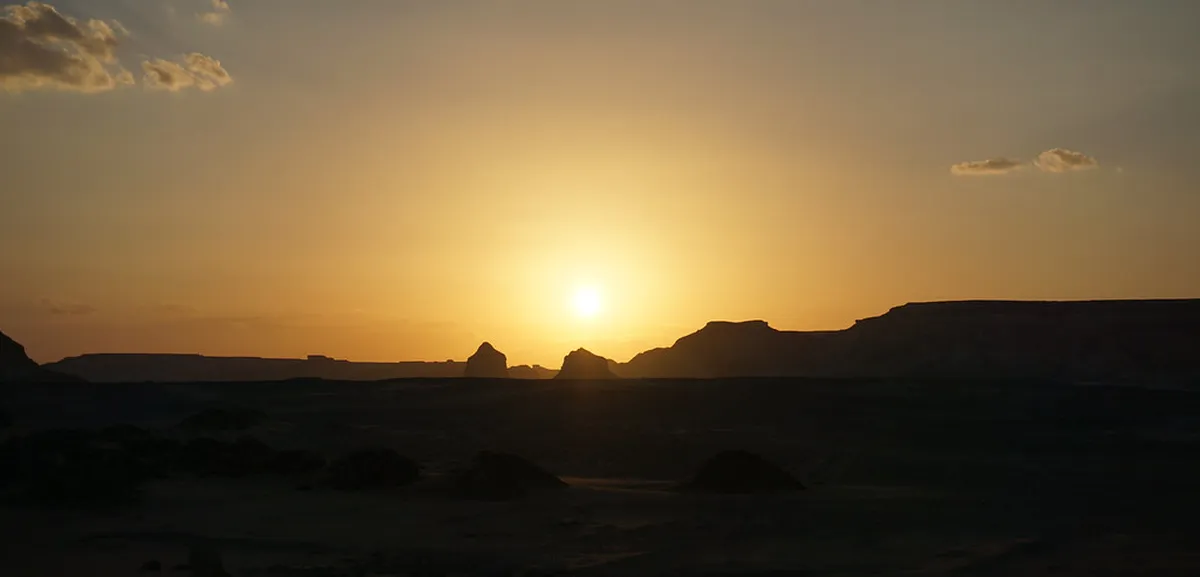
Finding the Best Sunset Spots in Hijiyama Park for Every Season
Finding the best sunset spots in Hijiyama Park is a highlight for any trip to Hiroshima. For the most vibrant colors, visit during the clear autumn months of October and November. This hilltop park offers a unique view of the city skyline and the Seto Inland Sea. It is a peaceful escape from the busy streets located just east of the city center.
The park is famous for its modern art museum and beautiful natural surroundings. You can explore free nature spots in Hiroshima before heading up the hill for sunset. Many locals come here to relax after work and enjoy the changing sky. The elevated position provides a panoramic perspective that is hard to find elsewhere.
Each season brings a different mood to the park's western-facing slopes. Spring offers soft pink hues while winter provides the sharpest views of the horizon. This guide will help you find the perfect spot for your evening visit. Prepare to see Hiroshima in a whole new light from this historic hilltop.
Best sunset spots in Hijiyama Park
For the most up-to-date details, check Hiroshima Peace Memorial (Genbaku Dome) before you go.
For the most up-to-date details, check Hiroshima City Official Website before you go.
The Sky Village area provides some of the best sunset spots in Hijiyama Park for photographers. This wide open space sits near the center of the park and faces west. You can see the sun descend directly behind the city buildings from here. It is a popular place for groups to gather with blankets and snacks.The Hiroshima City Museum of Contemporary Art sits at the highest point of the park. The plaza in front of the museum offers a clean view of the skyline. This location is perfect if you enjoy combining art with natural beauty. The modern sculptures create interesting silhouettes against the orange and purple sky.
The Manga Library is another great place to watch the sky change colors. It features a small terrace that looks out over the bustling downtown area. You can watch the city lights begin to flicker on as the sun disappears. This spot is often quieter than the main museum plaza during the week.
Walking paths along the western edge of the hill offer many hidden viewpoints. These trails are among the best free parks in Hiroshima city for evening strolls. You can find small benches tucked away under the trees for a private experience. The trees frame the city view beautifully during the golden hour.
The lower observation deck near the southern entrance is also worth a visit. It offers a closer look at the river and the bridges below. This spot is ideal for those who want to see the water reflect the sunset. It is easily accessible if you are walking up from the street level.
Season Comparison
The quality of light changes significantly as the seasons move from spring to winter. Spring sunsets are often soft and hazy due to the seasonal humidity. This creates a romantic atmosphere that complements the blooming cherry blossoms. You should expect larger crowds during the peak flower viewing weeks.
Summer provides the longest days and very late sunset times for visitors. The air is often warm enough to stay on the hill long after dark. However, summer clouds can sometimes block the sun during the rainy season. It is a great time for a late evening picnic with friends.
Autumn is widely considered the best time for clear and colorful horizons. The cooling air removes the summer haze for much sharper photography. Deep oranges and reds dominate the sky during October and November. The fall foliage in the park adds extra color to your sunset photos.
Winter sunsets happen much earlier in the day but offer incredible clarity. The cold air allows you to see the distant mountains of the Chugoku region. You will find the park very quiet and peaceful during the winter months. The sunset colors are often very intense and dramatic on cold days.
Each season requires a slightly different plan for your visit to the park. Checking the local weather forecast is essential for a successful sunset trip. Cloud cover can either ruin the view or create a spectacular light show. Always arrive at least thirty minutes before the sun hits the horizon.
| Season | Weather | Crowds | Prices | Events | Best for |
|---|---|---|---|---|---|
| Spring | Mild | High | Free | Sakura | Soft light |
| Summer | Hot | Medium | Free | Festivals | Picnics |
| Fall | Cool | Medium | Free | Foliage | Clarity |
| Winter | Cold | Low | Free | Illumination | Solitude |
Pick X If
Different seasons offer unique benefits for travelers visiting this scenic hilltop location. Your choice depends on whether you prefer vibrant flowers or clear mountain views. Some visitors love the social energy of a crowded spring evening. Others search for the silent beauty of a crisp winter afternoon.
Photographers should prioritize the autumn months for the best technical results. The lack of haze makes it easier to capture the city details. Families might prefer the warm summer evenings for a relaxed outdoor dinner. The long daylight hours allow kids to play before the sun goes down.
Couples often find the spring cherry blossom season to be the most romantic. The soft light and falling petals create a magical backdrop for photos. Budget travelers will appreciate that the park is always free to enter. It is one of the most affordable ways to enjoy a Hiroshima evening.
Solo travelers often enjoy the quiet peace of a winter evening on the hill. You can often have the best viewing benches all to yourself. The intense colors of a winter sky are perfect for quiet reflection. Just be sure to dress warmly for the hilltop winds.
Consider your schedule and how much time you want to spend outdoors. A summer visit can last for hours in the pleasant evening warmth. A winter visit might be a quick stop before heading to a warm restaurant. Every season provides a valid reason to climb Hijiyama hill.
- Pick spring if you want
- Beautiful cherry blossoms and soft pink evening light
- Pick fall if you want
- Crisp air and deep orange hues over the city
- Pick summer if you want
- Late sunsets and warm nights for a hilltop picnic
- Pick winter if you want
- The clearest views and very few people around you
What to Pack
Preparing for a sunset visit requires a few specific items for your comfort. The hilltop can be several degrees cooler than the city streets below. Bringing a small snack or drink makes the waiting time more enjoyable. You should also consider how you will navigate the park after dark.
A lightweight tripod is essential for anyone hoping to take high-quality photos. The light fades quickly once the sun touches the horizon line. Steadying your camera will help you capture the city lights clearly. Most areas of the park have flat ground suitable for setting up gear.
Insect repellent is a must if you visit during the summer months. The wooded areas of the park can have many mosquitoes in the evening. A small flashlight or phone light is helpful for walking back down. While main paths are lit, some smaller trails can be quite dark.
A portable battery pack for your phone is always a good idea. Taking many photos and using maps can drain your battery quickly. You will want enough power to find your way to your next destination. The park is large and it is easy to lose track of time.
Wear comfortable walking shoes with good grip for the park trails. The climb is not difficult but the paths can be uneven in places. Sturdy footwear ensures you can explore all the best sunset spots safely. You can find more advice on free hiking trails near Hiroshima station for more walking ideas.
- Camera tripod
- Essential for capturing sharp photos in low evening light
- Light jacket
- Hilltop winds can feel chilly even during summer months
- Bug repellent
- Required for summer visits to keep mosquitoes away
- Comfortable shoes
- The walk up the hill requires sturdy footwear
Photography Tips for Sunset
🌟 Local Expert Tip: Get the most out of your Hiroshima visit with guided tours!
Capturing the best sunset spots in Hijiyama Park requires good timing and patience. Arrive at least forty-five minutes before the sun is scheduled to set. This gives you time to scout the different museum and library viewpoints. The light changes rapidly during the final fifteen minutes of the day.
Try to include some of the park's unique sculptures in your foreground. The Museum of Contemporary Art has many outdoor pieces that look great. Silhouettes can add a sense of scale and interest to your city shots. Look for angles where the art interacts with the setting sun.
Use a wide-angle lens to capture the vastness of the Hiroshima skyline. The view stretches from the mountains all the way to the sea. A wide shot helps show the relationship between the city and nature. You can also zoom in on specific landmarks like the Orizuru Tower.
Do not leave immediately after the sun disappears below the horizon. The afterglow can often produce the most dramatic colors in the sky. This period is known as the blue hour and is great for cityscapes. The city lights provide a beautiful contrast to the deep blue sky.
Experiment with different exposure settings to capture the changing light levels. Bracketing your shots can help you get the perfect balance of sky and city. Digital cameras often struggle with the high contrast of a sunset. Taking multiple exposures allows you to merge them later for better detail.
Walking Trails and Nearby Attractions
Hijiyama Park is well-connected to other interesting parts of Hiroshima city. The Hijiyama Skywalk is a long covered walkway with escalators for easy access. It connects the Danbara shopping area directly to the top of the hill. This makes it one of the most accessible hilltop parks in the region.
You can combine your sunset visit with a walk along the Enko River. The Peace Memorial Park riverside walking route is another beautiful evening option. Both areas offer peaceful water views as the day comes to an end. The walk between these two locations takes about twenty-five minutes.
Nearby shrines and temples offer additional cultural sites to explore before sunset. Tamon-in Temple is located right at the base of the Hijiyama hill. It features a unique bell tower that survived the atomic bombing. Visiting these sites adds historical depth to your natural park exploration.
If you enjoy hiking, you might also like how to hike mount futaba trail nearby. Both hills offer different perspectives of the Hiroshima urban landscape. Mount Futaba is slightly higher and offers a more rugged hiking experience. Hijiyama is better suited for a relaxed stroll and art appreciation.
After the sunset, head down to the Danbara area for a local dinner. There are many small restaurants and cafes within walking distance of the Skywalk. It is a great way to experience a local neighborhood away from tourists. The area is safe and easy to navigate even after dark.
Frequently Asked Questions
When is the best time to arrive at Hijiyama Park for sunset?
The best time is roughly thirty minutes before the actual sunset time listed online. This allows you to see the golden hour light hitting the city buildings. It also gives you time to find a good viewing spot.
Is there an entry fee for Hijiyama Park?
No, the park is free to enter and remains open twenty-four hours a day. The walking paths are well-lit near the museum and the library areas. This makes it a safe and affordable evening activity.
How do I get to the top of the hill without climbing stairs?
You can use the Hijiyama Skywalk located near the Danbara Shopping Center. This facility features moving walkways and escalators that take you to the top. It is the easiest way to reach the museum area.
Hijiyama Park is a wonderful place to end your day in Hiroshima. The views of the city and sea are truly memorable during the golden hour. Plan your visit to match your favorite season for the best experience. Whether you seek art or nature, this hilltop has something for everyone.
Remember to bring your camera and a light jacket for the evening breeze. Enjoy the peaceful atmosphere and the stunning colors of the Japanese sky. This hilltop remains one of the city's best-kept secrets for sunset lovers. Make sure to include it on your next trip to Hiroshima.