
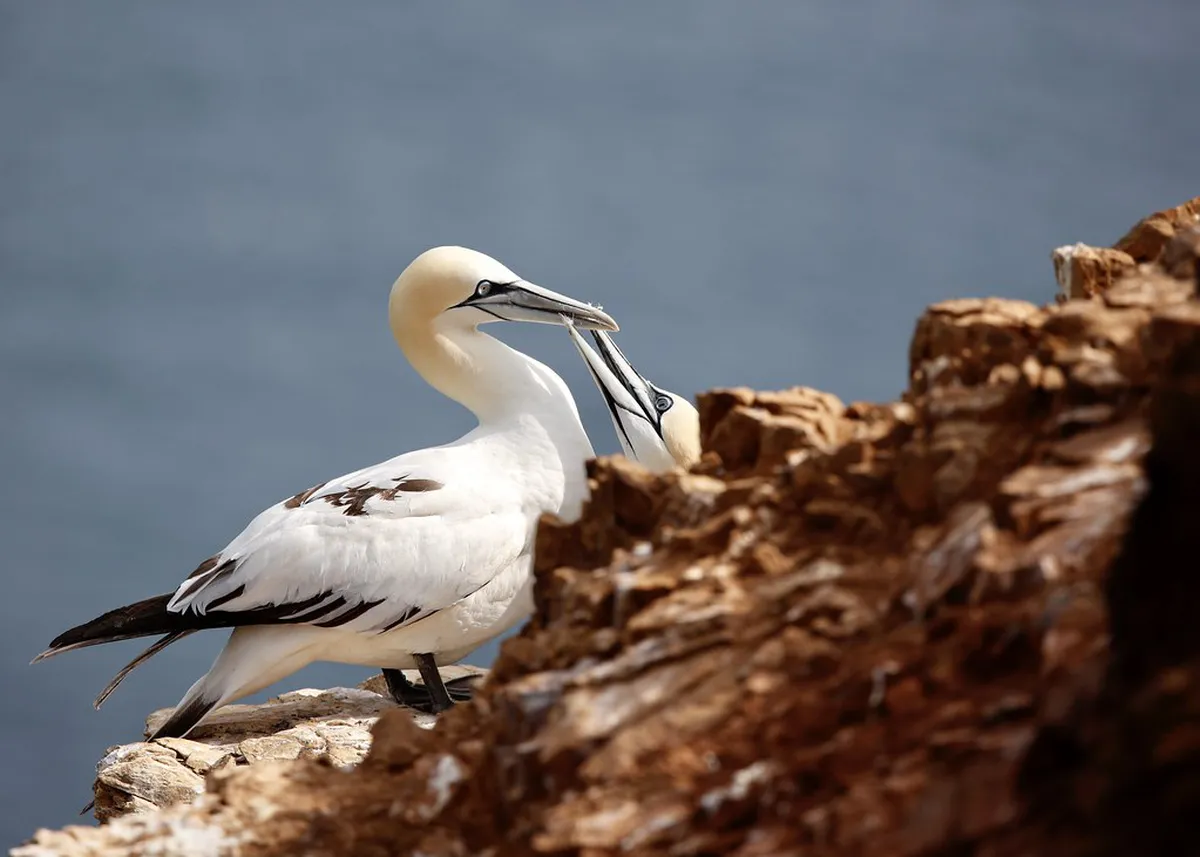
10 Top Bird Watching Spots in Hiroshima
Hiroshima offers a surprising variety of habitats for avian enthusiasts. The city is famous for its history and its beautiful natural surroundings. You can find many species along the river banks or deep within the forests. This Hiroshima travel guide helps you explore the best nature locations.
The unique geography of the region supports diverse bird populations year-round. Migratory birds often stop here during their long journeys across Asia. Local parks and gardens provide easy access for casual bird watchers. Serious birders will enjoy the rugged mountain trails and coastal reserves.
Finding the right locations is key to a successful birding trip. This list covers the most productive areas for seeing rare and common birds. Prepare your binoculars for an unforgettable experience in Western Japan.
10 Top Bird Watching Spots in Hiroshima
For current hours, prices, and announcements, start with Lonely Planet Hiroshima.
Learn more at Itsukushima Shinto Shrine.
Hiroshima is home to several free nature spots in Hiroshima for birding. The city sits on a large river delta with many waterways. These rivers attract various herons, egrets, and migratory ducks every winter. Urban green spaces also serve as vital refuges for smaller songbirds.The surrounding mountains offer a completely different set of bird species. You can find woodpeckers and flycatchers in the dense forest canopies. Many of these spots are accessible via the city's excellent public transport. Early mornings are generally the best time for active bird sightings.
Coastal areas provide opportunities to see gulls and other marine birds. Some locations require a short ferry ride or a scenic hike. Always check the local weather before heading to the more remote spots. These best free parks in Hiroshima city are great starting points.
- The Ota River Delta Waterways
- Type: riverside sight
- Why go: see diverse migratory waterfowl
- Best for: herons and ducks
- Where: central city rivers
- Time: two hours
- Cost: free to access
- Getting there: walk from downtown
- Tip: visit during low tide
- Peace Memorial Park Riverside
- Type: urban park experience
- Why go: easy access to birds
- Best for: kingfishers and wagtails
- Where: central Hiroshima district
- Time: one hour
- Cost: free entry
- Getting there: take the tram
- Tip: walk the Peace Memorial Park riverside walking route
- Mitaki-dera Temple Forest Trails
- Type: forest temple experience
- Why go: quiet mountain bird species
- Best for: woodpeckers and jays
- Where: western hills area
- Time: three hours
- Cost: free entry
- Getting there: take the JR train
- Tip: explore the Mitaki-dera temple forest early
- Mount Futaba Hiking Trail
- Type: mountain viewpoint activity
- Why go: spot soaring birds of prey
- Best for: black kites
- Where: behind Hiroshima station
- Time: two hours
- Cost: free access
- Getting there: walk from station
- Tip: use the Mount Futaba trail map
- Shukkeien Traditional Japanese Garden
- Type: iconic garden sight
- Why go: photogenic waterfowl in ponds
- Best for: mandarin ducks
- Where: near the art museum
- Time: ninety minutes
- Cost: small entry fee
- Getting there: walk or bus
- Tip: visit in early morning
- Hijiyama Park Forested Hill
- Type: urban forest park
- Why go: see seasonal songbirds
- Best for: bush warblers
- Where: south of station
- Time: two hours
- Cost: free entry
- Getting there: take the tram
- Tip: visit during cherry blossom
- Miyajima Island Mount Misen
- Type: island day trip
- Why go: unique island bird species
- Best for: sea eagles
- Where: Miyajima island
- Time: full day
- Cost: ferry fee
- Getting there: train and ferry
- Tip: hike the mountain trails
- Sandankyo Gorge Nature Reserve
- Type: remote canyon day trip
- Why go: rare river bird species
- Best for: brown dippers
- Where: northwest of city
- Time: full day
- Cost: bus fare
- Getting there: highway bus
- Tip: wear sturdy hiking boots
- Hiroshima Castle Park Grounds
- Type: historic park sight
- Why go: common city bird sightings
- Best for: oriental turtle doves
- Where: central city
- Time: one hour
- Cost: free grounds
- Getting there: walk or tram
- Tip: check the moat area
- Moto-Ujina Coastal Forest Park
- Type: coastal forest experience
- Why go: marine and forest birds
- Best for: cormorants
- Where: southern port area
- Time: two hours
- Cost: free access
- Getting there: bus or tram
- Tip: walk the shoreline path
Best Seasons for Birding in Hiroshima
Spring is perhaps the most vibrant time for bird watching in Hiroshima. Many migratory species return from their wintering grounds in the south. You can hear the iconic Japanese bush warbler in most wooded areas. The mild temperatures make long days of birding very enjoyable.
Autumn brings a different set of visitors to the city's parks. Birds moving south often stop in Hiroshima to rest and feed. The changing leaves provide a stunning backdrop for wildlife photography. Look for these species along the free hiking trails near Hiroshima station.
Winter is the best season for observing waterfowl and shorebirds. The Ota River becomes a bustling hub for various duck species. You can easily see them from the many bridges in the city. Clear winter skies also offer great visibility for spotting raptors.
Essential Gear for Your Hiroshima Trip
A good pair of binoculars is essential for any birding trip. Compact models are best for hiking the steep mountain trails. Consider a pair with at least 8x magnification for clear views. Protect your equipment from humidity during the rainy summer months.
Carrying a local field guide will help you identify Japanese species. Many birds in Japan are unique to East Asia. Smartphone apps can also be useful for identifying bird calls. Make sure your devices are fully charged before heading out.
Wear comfortable clothing that blends into the natural environment. Earth tones like green or brown are usually the best choices. Sturdy walking shoes are required for the forest and mountain paths. Always carry a light raincoat, as weather can change quickly.
Birding Etiquette and Conservation in Japan
Respecting the local wildlife is the most important rule for birders. Keep a safe distance to avoid stressing the birds. Never use recordings to lure birds during the nesting season. Stay on the marked trails to protect fragile plant life.
Be mindful of other visitors when birding in popular urban parks. Keep noise levels low to avoid disturbing both birds and people. Photography is generally allowed, but avoid using bright flashes. Always follow the specific rules posted at each nature reserve.
Feeding wild birds is discouraged in most Japanese public parks. It can disrupt their natural diet and cause health problems. Dispose of all your trash properly to keep habitats clean. Supporting local conservation groups helps protect these beautiful spots.
How to Plan Your Birding Itinerary
💡 Pro Tip: Book your Hiroshima adventures in advance through Viator for the best deals!
Start your day early to catch the dawn chorus of birds. Most species are most active just after the sun rises. Public transport in Hiroshima starts running early in the morning. Check the tram and bus schedules to plan your route.
Group your birding spots by their geographical location to save time. The river delta and castle are easy to visit together. Miyajima and Sandankyo require dedicated full-day trips from the city. Use a Paspy card or Suica for easy transit payments.
Balance your birding with the city's famous historical attractions. Many top birding spots are located near major cultural landmarks. This allows you to enjoy nature and history in one trip. Always leave some flexibility in your schedule for unexpected sightings.
Frequently Asked Questions
What is the best time for birding in Hiroshima?
Spring and autumn are the best seasons for birding. You will see many migratory species during these times. Winter also brings unique waterfowl to the rivers.
Are there rare birds in Hiroshima?
Yes, you can occasionally spot rare migratory species. The Sandankyo Gorge is known for elusive river birds. Coastal areas sometimes host unusual marine visitors.
Do I need a permit for bird watching in Hiroshima?
No special permits are required for general bird watching. Most parks and trails are free to access. Always follow local park rules and stay on paths.
Hiroshima is a fantastic destination for any bird watching enthusiast. The city provides a unique blend of urban and wild environments. You can see a wide variety of species without traveling far. Plan your visit today to experience the natural beauty of Japan.
Remember to bring your binoculars and respect the local wildlife. Each season offers something new for you to discover here. Enjoy your time exploring the top bird watching spots in Hiroshima.