
When is the Best Time for Joyama Park Matsumoto Sunset?
The best time for Joyama Park Matsumoto sunset is during the crisp months of autumn and spring. These seasons offer the clearest skies for viewing the majestic Northern Alps from the park hilltop. Joyama Park is a hidden gem that provides a panoramic view of the entire city valley. Many visitors come here to escape the busier tourist spots in central Matsumoto.
Watching the sun dip below the mountains is a truly peaceful experience for every traveler. The park features an observation tower that enhances your view of the surrounding peaks. You can see the city lights begin to twinkle as the golden hour fades away. This guide will help you plan the perfect visit to this scenic location.
Timing your visit correctly ensures you get the most vibrant colors in the sky. Different months bring unique atmospheric conditions that change the sunset quality significantly. Whether you want snow-capped peaks or cherry blossoms, we have the details you need. Prepare for an unforgettable evening in one of Japan's most beautiful mountain cities.
Seasonal Weather Patterns in Matsumoto
You can find the latest updates on Visit Matsumoto.
For the most up-to-date details, check Alpico Group before you go.
Matsumoto experiences four distinct seasons that each impact the local sunset quality. Spring brings mild temperatures but can sometimes have a light haze in the air. You will find that the air is often freshest right after a spring rain shower. Check out other free nature spots in Matsumoto for more outdoor fun.Summer in the valley is warm and humid with very long daylight hours. The sun sets much later in July than it does during the winter months. Afternoon thunderstorms are common but often leave behind dramatic clouds for photography. The humidity can sometimes obscure the distant mountain ranges on very hot days.
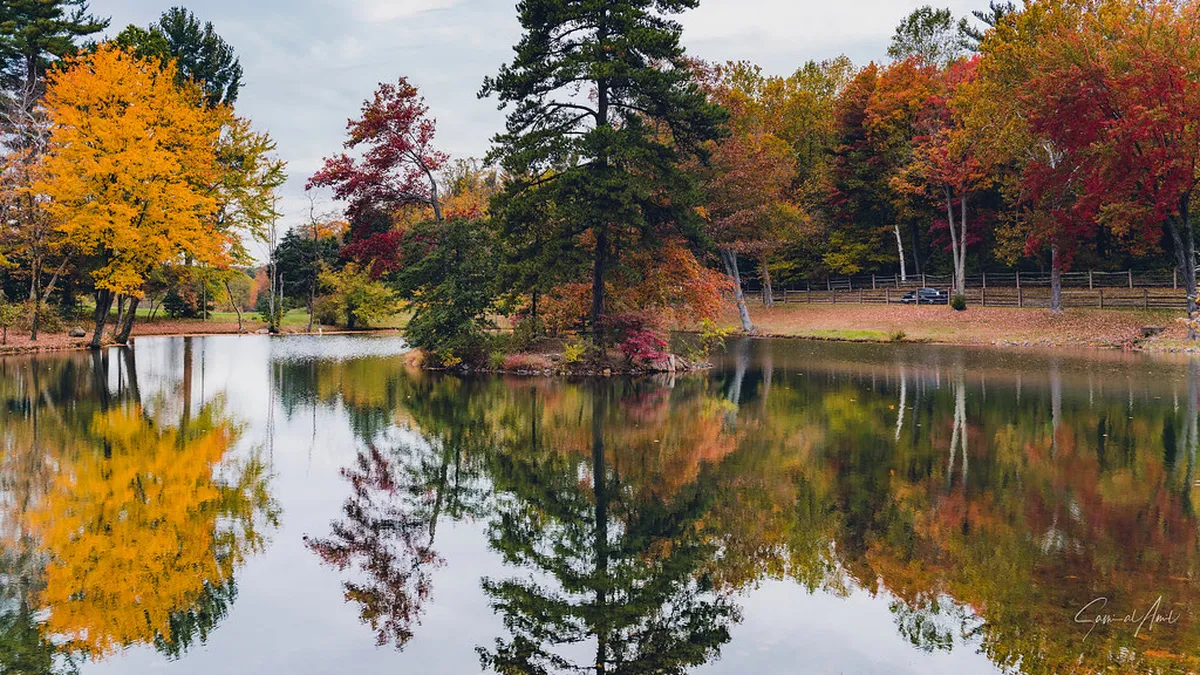
Autumn is widely considered the most reliable time for clear mountain views. The cooling air reduces humidity and creates a very sharp horizon line. Sunset colors in October and November are often deep orange and purple. This season provides the perfect backdrop for the changing forest leaves in the park.
Winter brings the coldest temperatures but also the highest level of sky clarity. The Northern Alps are covered in thick white snow during this time. You can see the sharp details of the peaks against a pale blue sky. Be prepared for icy paths if you walk up the hill in January.
Season Comparison
💡 Pro Tip: Book your Matsumoto adventures in advance through Viator for the best deals!
Comparing the seasons helps you decide which atmosphere fits your personal travel style. Spring is ideal for those who love flowers and soft, pastel sunset tones. Summer is best for travelers who enjoy warm evenings and late-night city views. Each season offers a different perspective on the famous Matsumoto landscape.
Autumn attracts many people looking for the best time for Joyama Park Matsumoto sunset. The contrast between the red maple leaves and the golden sky is stunning. Winter is much quieter and offers a solitary experience for nature lovers. You will likely have the observation tower all to yourself in February.
Prices for local accommodation vary depending on the season you choose to visit. Spring and autumn are peak travel times so booking ahead is very important. Winter offers the best value for budget-conscious travelers visiting the Nagano region. Always check the local weather forecast a few hours before heading to the park.
| Season | Weather | Crowds | Prices | Events | Best for |
|---|---|---|---|---|---|
| Spring | 10-20°C | High | High | Cherry Blossoms | Flowers |
| Summer | 25-33°C | Moderate | Mid | Fireworks | Long Days |
| Fall | 10-18°C | Moderate | Mid | Fall Foliage | Clarity |
| Winter | -5-8°C | Low | Low | Snow Peaks | Solitude |
Best Time for Joyama Park Matsumoto Sunset by Month
April is a magical month because the park is filled with blooming cherry trees. The pink blossoms create a beautiful frame for your sunset photographs. The sun sets around six in the evening during the middle of April. You can combine this with a Metoba River self-guided walking tour earlier that day.
August offers the warmest weather for those who want to stay out late. The sky often turns a brilliant red after a hot summer day. You will need to arrive at the park around seven to catch the light. The city lights below look spectacular once the sun has fully disappeared.
October provides the most consistent weather for seeing the distant mountain peaks. The air is cool and refreshing as you climb the park stairs. The sun sets earlier in the afternoon as winter begins to approach. Golden hour light lasts for a good amount of time in the autumn.
December is the best month for seeing the mountains in their winter glory. The sunset happens very early so you can return to the city for dinner. The light is very bright and sharp because the air is so dry. Make sure to bring a sturdy tripod for long exposure night shots.
Pick X If
Different travelers have different needs when they visit a scenic viewpoint like this. Some people want the best photos while others want a quiet place to relax. Joyama Park is large enough to accommodate many different types of visitors. Consider your priorities before you decide on the timing of your trip.
Photographers should prioritize the winter months for the best atmospheric clarity. The snow on the Alps adds a professional look to every single shot. Families might prefer the summer when the park is green and lush. There is plenty of space for children to run around before the sun sets.
Couples will find the spring cherry blossoms to be very romantic and scenic. The soft light of April makes for wonderful portraits near the trees. Solo travelers often enjoy the peaceful silence of a weekday in late autumn. Check out how to visit Alps Park Matsumoto for another great viewpoint.
- Pick spring if you want
- Beautiful cherry blossom scenery
- Pick summer if you want
- Warm nights and city lights
- Pick autumn if you want
- Clear skies and colorful leaves
- Pick winter if you want
- Snowy mountains and few people
What to Pack
🌟 Local Expert Tip: Get the most out of your Matsumoto visit with guided tours!
Being prepared for the weather will make your sunset experience much more enjoyable. The temperature at the top of the hill can be lower than in town. Wind can pick up as the sun goes down behind the mountains. Walking through Agata Forest Park Matsumoto requires similar preparation for nature lovers.
Footwear is important because some of the paths can be steep or uneven. Wear comfortable shoes that have a good grip for the walk up. If you visit in winter, make sure your boots are waterproof and warm. Icy patches can be hidden under the snow on the park trails.
A small flashlight or phone light is helpful for the walk back down. The park is not heavily lit once the sun has fully set. Staying safe on the trails is easy if you can see where you step. Pack a light snack and some water to enjoy while you wait.
- Pack for spring with
- Light jacket and camera
- Pack for summer with
- Bug spray and water
- Pack for autumn with
- Warm layers and tripod
- Pack for winter with
- Heat packs and gloves
Nearby Scenic Spots to Visit
⭐ Recommendation: Don't miss out on amazing Matsumoto tours - book now!
You can easily spend a whole day exploring the natural beauty of Matsumoto. Start your morning with free hiking trails near Misuzu Lake nearby. This lake offers a quiet atmosphere and beautiful reflections of the trees. It is a great way to build up an appetite before lunch.
Another option is to visit the Utsukushigahara Highlands free viewpoints for a higher elevation. These highlands provide a massive 360-degree view of the Japanese Alps. It is a bit further away but worth the trip for serious hikers. Make sure to check the bus schedule if you do not have a car.
Joyama Park remains one of the most accessible spots for a quick nature fix. It is located on the edge of the city and is easy to reach. You can see the historic Matsumoto Castle from certain points in the park. End your day by watching the sky change colors over the mountains.
Frequently Asked Questions
Is there an entry fee for Joyama Park in Matsumoto?
No, Joyama Park is completely free for all visitors to enter. You can enjoy the observation tower and the sunset views without paying any admission fees. It is a great budget-friendly activity in the city.
How long does it take to walk to the viewpoint?
The walk from the park entrance to the top takes about ten to fifteen minutes. The path is slightly uphill but manageable for most fitness levels. Take your time to enjoy the trees along the way.
Can I see the Japanese Alps from Joyama Park?
Yes, Joyama Park offers one of the best views of the Northern Alps. On clear days, you can see the entire mountain range stretching across the horizon. This makes it a popular spot for local photographers.
Finding the best time for Joyama Park Matsumoto sunset depends on what you want to see. Autumn and spring offer the best balance of comfort and spectacular sky colors. No matter when you visit, the view of the mountains will leave you breathless. Joyama Park is a peaceful escape that shows the true beauty of Nagano.
Plan your trip around the golden hour to get the best possible experience. Remember to bring your camera and dress according to the current season. Enjoy the quiet moments as the sun disappears behind the Japanese Alps. We hope this guide helps you have a wonderful evening in Matsumoto.