
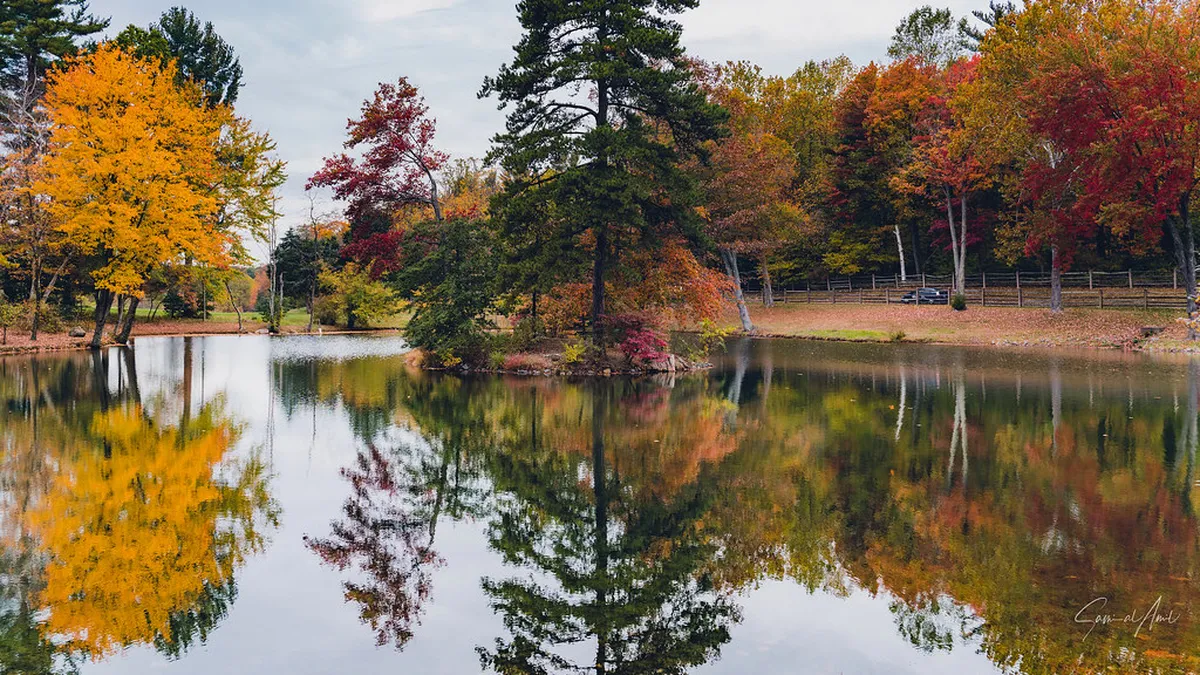
The Best Time for Piasau Bird Watching in Miri, Malaysia
The best time for Piasau bird watching is during the dry season from March to October. These months offer clear skies and high bird activity in Miri. This nature reserve is a haven for the famous Oriental Pied Hornbills. Visitors can enjoy peaceful walks and reliable wildlife sightings.
Piasau Nature Reserve is unique because it sits within an urban environment. It serves as a critical habitat for various protected bird species. The area was once a residential site for oil industry workers. Now, it is a protected green lung for the city of Miri.
Planning your visit requires understanding the local tropical weather patterns. Rain can change bird behavior and trail accessibility quite quickly. This guide covers everything you need for a successful birding adventure. Learn about the seasons, packing essentials, and top viewing spots.
Weather Patterns in Miri
To plan your trip, review Miri International Airport.
For current hours, prices, and announcements, start with Miri City Council.
Miri experiences a tropical climate throughout the entire year. Temperatures usually stay between 23 and 32 degrees Celsius. You should expect high humidity regardless of the month you visit. This heat influences when birds are most active in the trees.The dry season begins in March and lasts until October. This period offers the most stable conditions for outdoor activities. You will find walking the trails much easier during these months. Dry weather makes it simpler to carry heavy camera equipment.
The monsoon season typically runs from November to February. Heavy rain can occur suddenly and may last for several hours. Bird sightings often decrease when the rain is very heavy. However, the landscape becomes incredibly lush and green during this time.
Check local forecasts before you head out to the reserve. Early mornings are usually the best time for Piasau bird watching activities. The air is cooler and birds are more active then. Evening sessions can also be productive before the sun sets.
Wind patterns can also affect how easily you hear bird calls. Calm days are better for locating hornbills by their distinct sounds. The reserve provides plenty of shade under the large tropical trees. Always stay hydrated while exploring the nature trails in Miri.
Season Comparison
Choosing the right month depends on your tolerance for rain. The dry season is generally preferred by most professional photographers. You get better light and more predictable bird behavior. Clear skies allow for higher shutter speeds during photography.
Shoulder months like March and October are excellent for quiet visits. You might experience a few showers, but crowds are much smaller. Prices for local accommodation also tend to be lower then. This is a great time for a nature walking itinerary in Miri.
The wet season brings fewer tourists to the nature reserve. You can enjoy the trails in almost total solitude during December. Just be sure to wear waterproof gear for your protection. Miri has many other free nature spots to explore.
Humidity levels peak during the transition between the two seasons. Be prepared for sweaty conditions even during the early morning hours. The birds do not seem to mind the moisture as much. They often come out to dry their feathers after a storm.
Use our detailed table to compare different times of the year. This helps you balance weather conditions with your specific travel budget. Miri is a friendly city with many accessible outdoor locations. Plan your trip carefully to maximize your chances of bird sightings.
| Season | Weather | Crowds | Prices | Events | Best for |
|---|---|---|---|---|---|
| Spring | Dry/Warm | Moderate | Average | Nesting | Birding |
| Summer | Very Dry | High | Higher | Festivals | Photos |
| Fall | Transition | Low | Lower | Migrants | Solitude |
| Winter | Wet/Cool | Very Low | Lowest | Lushness | Budget |
Pick X If
Different travelers have unique needs when visiting Piasau Nature Reserve. Some prefer the heat, while others want to avoid the crowds. Your timing should reflect your personal birding goals and preferences. Miri offers something for every type of nature enthusiast.
Families might prefer the school holiday periods for their visits. However, these times can be busier at the main lookout points. Planning ahead ensures a smooth experience for everyone involved. The trails are flat and very easy for children to walk.
If you are a serious photographer, light is your main concern. The golden hour in Miri provides stunning backdrops for hornbill photos. Visit best free sunset spots for more views. Dry months provide the most consistent lighting for your shots.
Budget travelers should look for off-peak months to save money. Flights to Miri are often cheaper during the monsoon season. Just be prepared for the occasional tropical downpour during the day. You can also find free activities nearby.
Serious birders often visit during the early spring months. This is when nesting activity is at its most visible peak. You can observe complex social behaviors among the hornbill pairs. The local community is very protective of these beautiful birds.
- Pick the dry season if
- You want the best photography light
- Pick the monsoon season if
- You prefer quiet trails and solitude
- Pick early mornings if
- You want to see active hornbills
- Pick the school holidays if
- You are traveling with young children
What to Pack
Packing the right gear ensures you stay comfortable while birding. The tropical heat can be intense without the proper clothing. Lightweight and breathable fabrics are essential for your trip. Avoid dark colors that might absorb more heat from the sun.
Footwear is another critical factor for exploring the nature reserve. Most trails are flat, but they can become slippery after rain. Sturdy walking shoes will keep your feet safe and dry. Sandals are not recommended for the longer forested trails.
Don't forget to bring high-quality binoculars for better bird views. The hornbills often perch high in the old trees. A good zoom lens is also helpful for wildlife photography. Keep your equipment in a padded bag for safety.
Protect yourself from the sun and local insects during walks. Sunscreen and mosquito repellent are mandatory for any outdoor adventure. You can find more nature spots like Canada Hill nearby. A wide-brimmed hat provides excellent shade during the midday heat.
Carry a reusable water bottle to stay hydrated on the trails. There are limited places to buy drinks inside the reserve itself. A small backpack is useful for carrying all your essentials. Check out Tusan beach for more coastal nature.
- Pack lightweight clothing for
- Managing the high tropical humidity
- Bring high power binoculars for
- Spotting birds in high canopies
- Carry insect repellent to
- Avoid bites during forest walks
- Use a waterproof bag to
- Protect your camera from rain
Best Locations Within the Reserve
🌟 Local Expert Tip: Get the most out of your Miri visit with guided tours!
The Piasau Nature Reserve has several key areas for sightings. The Visitor Center is a great place to start your journey. Staff members can often provide tips on recent bird sightings. They keep track of the hornbill families living in the park.
The old housing area is a favorite spot for the hornbills. They like to perch on the roofs and nearby garden trees. This area offers clear lines of sight for bird watchers. It is one of the easiest places to see them.
Walking the perimeter trail allows you to see different habitats. Some birds prefer the denser forested sections near the back. Patience is key when waiting for birds to appear. Listen for the sound of flapping wings overhead.
The hornbills are often seen near fruiting fig trees. These trees provide a steady source of food for the birds. Identifying these trees can improve your chances of a sighting. Birds will return to the same tree for several days.
Always stay on the marked paths to protect the environment. Venturing off-trail can disturb the delicate local ecosystem. The reserve is a community effort to preserve local nature. Enjoy the beauty of Miri while respecting its wildlife.
Frequently Asked Questions
What is the best time for Piasau bird watching today?
The best time for Piasau bird watching is early morning between 7:00 AM and 9:00 AM. Birds are most active during these cooler hours. You will have a higher chance of seeing hornbills feeding.
Can I see hornbills during the rainy season?
Yes, you can still see hornbills during the rainy season in Miri. However, sightings may be less frequent during heavy downpours. Birds usually seek shelter until the rain stops.
Is there an entrance fee for Piasau Nature Reserve?
Entry to Piasau Nature Reserve is currently free for all visitors. This makes it an affordable activity for families and solo travelers. Please check for any updated local regulations before visiting.
Finding the best time for Piasau bird watching makes your trip memorable. The dry season from March to October remains the top choice for visitors. You will enjoy better weather and more active wildlife during these months. Miri is a wonderful destination for any nature lover to explore.
Remember to bring your binoculars and respect the local hornbill population. This urban reserve is a precious resource for the Sarawak region. Plan your 2026 visit to experience the magic of Piasau for yourself. Safe travels and happy birding in beautiful Miri, Malaysia.