
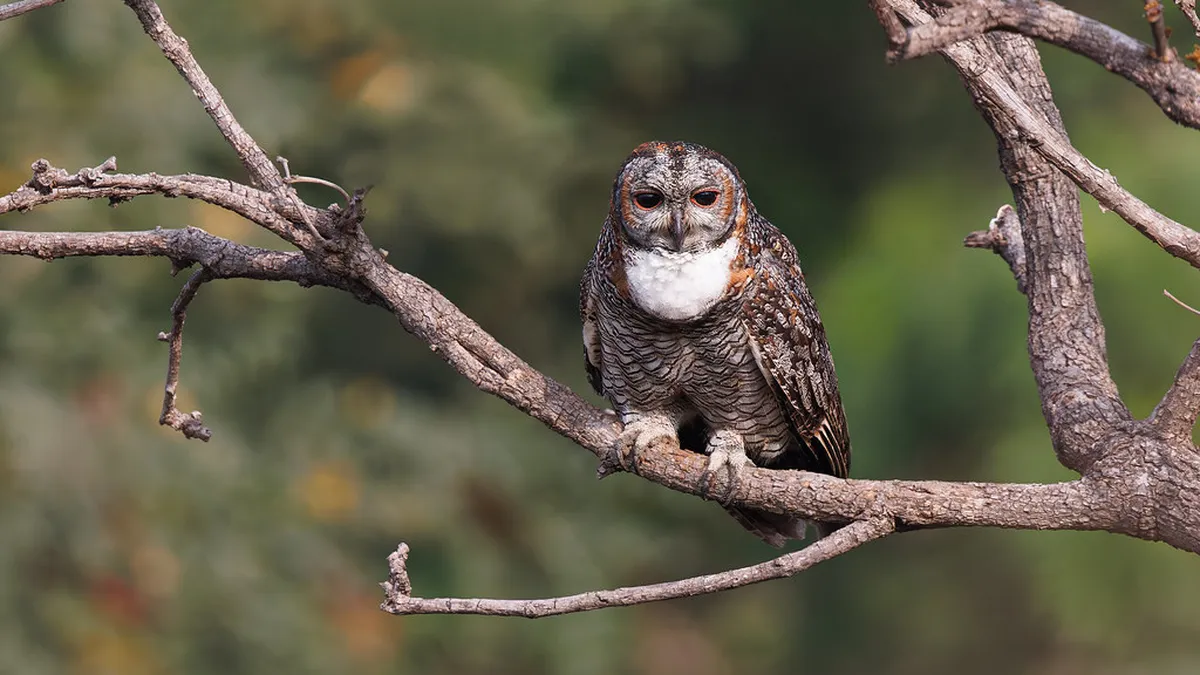
10 Best Bird Watching Spots in Dumaguete
Dumaguete is a wonderful destination for those who love watching birds in their natural habitat. The city is surrounded by lush forests and coastal areas that attract many unique species. Negros Island is home to several birds that you cannot find anywhere else on earth.
You can find many free nature spots in Dumaguete that are perfect for birding. The local environment supports a wide variety of unique and colorful avian life. This guide will help you find the most productive locations for your next trip.
The city serves as a gateway to the diverse ecosystems of the central Philippines region. You can easily travel from the mountains to the sea in just one afternoon. Nature enthusiasts will find the best bird watching spots in Dumaguete both accessible and rewarding.
Why Birding in Dumaguete is Special
For the most up-to-date details, check City Government of Dumaguete before you go.
To plan your trip, review Visit Philippines - Dumaguete.
Negros Island offers a unique mix of high-altitude forests and coastal wetlands for birds. The island has a high rate of endemism among its local wildlife species. You can see birds like the Visayan Hornbill and the Flame-templed Babbler here. These rare sightings make the region a top priority for serious bird watchers.The city of Dumaguete is a peaceful place for all nature lovers to visit. It provides a central base to explore different habitats without traveling very far. You can visit the Silliman University campus to see many urban birds. The local community is very welcoming and values the protection of their environment.
Many birding spots are located within a thirty-minute drive of the city center. This makes it easy to plan short morning trips before the midday heat. The variety of birds changes quickly as you move into the higher mountain elevations. You will find that every location offers a different set of species to observe.
Dumaguete is also a great place for beginner birders to start their hobby. The parks and gardens in the city are full of active and vocal birds. Local guides are available to help you identify the species you see and hear. You will quickly learn why this area is a favorite for birding enthusiasts.
10 Best Bird Watching Spots in Dumaguete
Finding the best bird watching spots in Dumaguete requires knowing the local geography well. The area features everything from volcanic lakes to mangrove forests along the coast. Each habitat supports a specific community of birds throughout the different seasons. We have selected ten locations that offer the best chances for rare sightings.
Some of these spots are well-known while others remain hidden local secrets. You should plan to visit a mix of mountain and coastal sites for variety. Check out top free nature spots in Dumaguete for more budget-friendly ideas. Many of these locations are excellent for photography and quiet nature observation.
The following list includes the most reliable places to find endemic Negros birds. We recommend starting your birding day as early as five in the morning. This is when the birds are most active and their songs are easiest to hear. Prepare to be amazed by the colors and sounds of the Philippine wilderness.
Always remember to bring plenty of water and sun protection on your outings. The tropical sun can be very strong even in the shaded forest areas. Respect the local rules and stay on the designated trails at all times. Your careful behavior helps to preserve these habitats for the birds and future visitors.
- Twin Lakes Balinsasayao and Lake Danao National Park
- Type: volcanic lake and forest
- Why go: see the Visayan Hornbill
- Best for: spotting high altitude species
- Where: Sibulan mountain range area
- Time: four to six hours
- Cost: small environmental fee required
- Getting there: private car or habal-habal
- Tip: go during the early morning
- Silliman University Campus and the Anthropology Museum
- Type: university campus and garden
- Why go: see the Philippine Hanging Parrot
- Best for: easy and accessible birding
- Where: downtown Dumaguete city area
- Time: one to two hours
- Cost: no entrance fee needed
- Getting there: walk from the city center
- Tip: visit the campus early morning
- Lake Nayibi and the Sibulan Mountain Trails
- Type: freshwater lake and wetland
- Why go: observe various migratory ducks
- Best for: photographers and nature lovers
- Where: Sibulan town near Dumaguete
- Time: two to three hours
- Cost: free to visit anytime
- Getting there: take a local tricycle
- Tip: bring a good zoom lens
- Mount Talinis North Peak and Forest Slopes
- Type: mountain peak and forest
- Why go: find the Negros Bleeding-heart
- Best for: experienced hikers and birders
- Where: mountains overlooking the city
- Time: full day hiking trip
- Cost: hire a local mountain guide
- Getting there: motorcycle to the trailhead
- Tip: prepare for steep trails
- Banica River Banks in the Upper Valencia Area
- Type: river bank and riparian
- Why go: see kingfishers and wagtails
- Best for: low cost birding trips
- Where: upper Valencia river area
- Time: one to two hours
- Cost: completely free to access
- Getting there: short drive from Valencia
- Tip: look near the water
- Valencia Highlands and the Forest Camp Surroundings
- Type: highland forest and gardens
- Why go: spot sunbirds and flowerpeckers
- Best for: families and casual birders
- Where: Valencia town highland area
- Time: half day exploration
- Cost: varies by specific garden
- Getting there: tricycle or private car
- Tip: visit the Forest Camp
- Zamboanguita Coastal Road and the Local Wetlands
- Type: coastal road and marsh
- Why go: see herons and egrets
- Best for: viewing coastal bird species
- Where: south of Dumaguete city
- Time: one to two hours
- Cost: free public road access
- Getting there: bus or private car
- Tip: go during low tide
- Siaton Mangrove Forest and Canaway River Delta
- Type: mangrove forest and delta
- Why go: observe mangrove specialist birds
- Best for: unique ecological birding
- Where: Siaton town coastal area
- Time: two to three hours
- Cost: small local boat fee
- Getting there: bus to Siaton town
- Tip: hire a local boatman
- Pulangbato Falls and the Red Rock Valley
- Type: waterfall and rocky valley
- Why go: see birds near water
- Best for: combining sightseeing and birding
- Where: Valencia mountain valley area
- Time: two to three hours
- Cost: standard entrance fee applies
- Getting there: tricycle or private car
- Tip: avoid the weekend crowds
- Palinpinon Geothermal Site and Surrounding Forest Slopes
- Type: geothermal site and forest
- Why go: find species in steam
- Best for: unique volcanic birding
- Where: Palinpinon area in Valencia
- Time: two to three hours
- Cost: free from the road
- Getting there: motorcycle or private car
- Tip: watch for road traffic
Essential Gear for Birding in Negros
Having the right gear will make your birding experience much more enjoyable. A pair of high-quality binoculars is the most important tool for any birder. You should look for a pair that works well in low light conditions. The dense forest canopy can often be quite dark even during the day.
Lightweight and breathable clothing is essential for the humid tropical climate. Wear long sleeves and pants to protect yourself from insects and sun. Sturdy hiking boots are necessary if you plan to visit the mountain trails. Find beaches in Sibulan for easier walking if you prefer flat terrain.
A digital camera with a long telephoto lens is great for capturing memories. Make sure to bring extra batteries and memory cards for long day trips. A field guide book or a mobile app can help you identify birds. Many local birders use specialized apps to track their sightings in real time.
Do not forget to pack a reusable water bottle and some light snacks. Staying hydrated is very important when hiking in the Philippine heat. A small backpack will keep your hands free for using your binoculars. You might also want to carry a light raincoat for sudden tropical showers.
Best Time of Year for Birding
Timing your visit is key to seeing the widest variety of bird species. The best months for birding in Dumaguete are from November to April. This period avoids the heaviest rains and offers the most comfortable temperatures. You will also see many migratory birds during these cooler months.
Early morning is the best time of day to see birds in action. Most species are active and vocal just as the sun begins to rise. You can enjoy the sunset at Rizal Boulevard after a long day of birding. The evening is also a good time to spot some nocturnal species.
The breeding season for many endemic birds occurs during the dry months. This is when birds are most colorful and display interesting mating behaviors. You might hear more complex songs during this time of the year. Plan your trip according to the specific birds you hope to see.
Check the local weather forecast before you head out to the mountains. Rain can make the trails slippery and reduce bird activity significantly. Cloudy days are actually good for photography because the light is softer. Be flexible with your schedule to get the best birding results.
Ethical Birding Practices in the Philippines
⭐ Recommendation: Don't miss out on amazing Dumaguete City tours - book now!
Practicing ethical birding ensures that we protect the wildlife for future generations. Always keep a respectful distance from the birds and their nesting sites. Avoid using loud bird calls to attract them as this causes stress. Your goal should be to observe the birds in their natural state.
Stick to the established trails to avoid damaging the fragile forest floor. Many of these areas are part of important local conservation projects. You can find free nature spots with no entrance fees that need protection. Leave no trace of your visit by taking all your trash back.
Supporting local guides is a great way to contribute to the local economy. Guides often have the best knowledge of where to find rare species. They also help to promote the value of conservation within their communities. Always follow their advice regarding safety and environmental protection rules.
Share your sightings with local birding groups to help with research efforts. Your data can help scientists understand bird populations and migration patterns better. Promote responsible tourism by sharing your positive experiences with others online. Together we can ensure that Dumaguete remains a paradise for birds.
Frequently Asked Questions
What is the best time for birding in Dumaguete?
The best time for birding is between November and April. This period offers cooler weather and many migratory bird species. Early mornings are always the most productive time.
Do I need a guide for birding in Dumaguete?
A guide is highly recommended for mountain trails like Mount Talinis. They help you find rare endemic species more easily. Local knowledge is very valuable for birders.
Dumaguete is a hidden gem for bird watchers in the Philippines. The variety of habitats and rare endemic species make every trip exciting. You will find that the local people are very proud of their nature.
We hope this guide helps you plan an unforgettable birding adventure. Remember to pack your binoculars and respect the beautiful natural environment. Enjoy discovering the incredible avian life of Negros Island in 2026.